
Jan 12, 2025
What to Do Before an Emergency Roofer Arrives to Prevent Further Damage
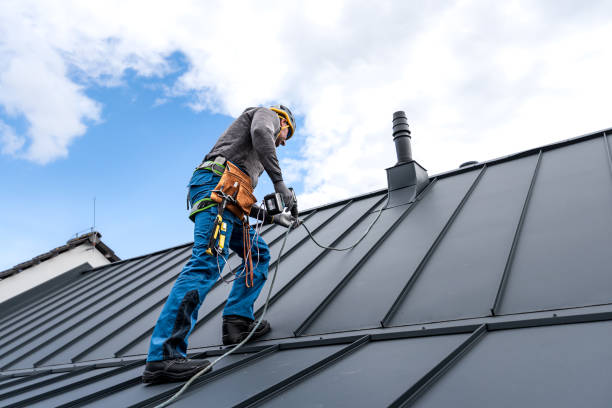
What to Do Before an Emergency Roofer Arrives
1. Minimize Interior Water Damage
If water is entering your home, place buckets, towels, or tarps under the leak to catch dripping water and protect floors, furniture, and belongings.
2. Assess the Situation Safely
Identify the type of roofing emergency—such as missing shingles, storm damage, fallen debris, or active leaks. Avoid climbing onto the roof, especially during bad weather.
3. Clear the Area
Move furniture, electronics, and valuables away from affected areas. Clearing space helps prevent additional damage and allows the roofer to work efficiently once they arrive.
4. Protect the Interior
If possible, cover exposed areas with plastic sheeting or tarps from the inside to limit water intrusion. This is a temporary measure until professional repairs are made.
5. Watch for Electrical Hazards
If water is near light fixtures, outlets, or electrical appliances, avoid those areas. Turn off power to the affected space if there’s any risk of electrical exposure.
6. Document the Damage
Take clear photos or videos of roof damage, interior leaks, and affected areas. This documentation is helpful for insurance claims and repair assessments.
7. Communicate with the Roofer
Explain what you’ve noticed, when the issue started, and any steps you’ve taken. Clear communication helps the roofer diagnose and address the problem quickly.
8. Avoid DIY Roof Repairs
Temporary fixes like sealants or makeshift patches can be unsafe and may worsen the damage. Leave repairs to professionals with the proper tools and experience.
9. Follow Professional Recommendations
Ask questions and follow the roofer’s guidance on emergency repairs, permanent solutions, and steps to prevent future issues.
10. Prepare for the Future
After the emergency is resolved, schedule regular roof inspections and maintenance. Being proactive helps reduce the risk of future emergencies and costly repairs.